If a Luxury Korean Bra Costs $50, Is It Truly Luxury? The Reason This Brand Is Unknown.
A quick note: I am not a native English speaker. This story has been crafted with the help of translators and AI to bridge the language gap. If you notice any awkward phrasing or errors, your feedback would be greatly appreciated. The experience, however, is 100% my own.
Also, for an important reason that will become clear, I will not be revealing the brand name in this post. My priority is to share the story and the value I’ve witnessed over 29 years… not to promote or advertise. I appreciate your understanding.
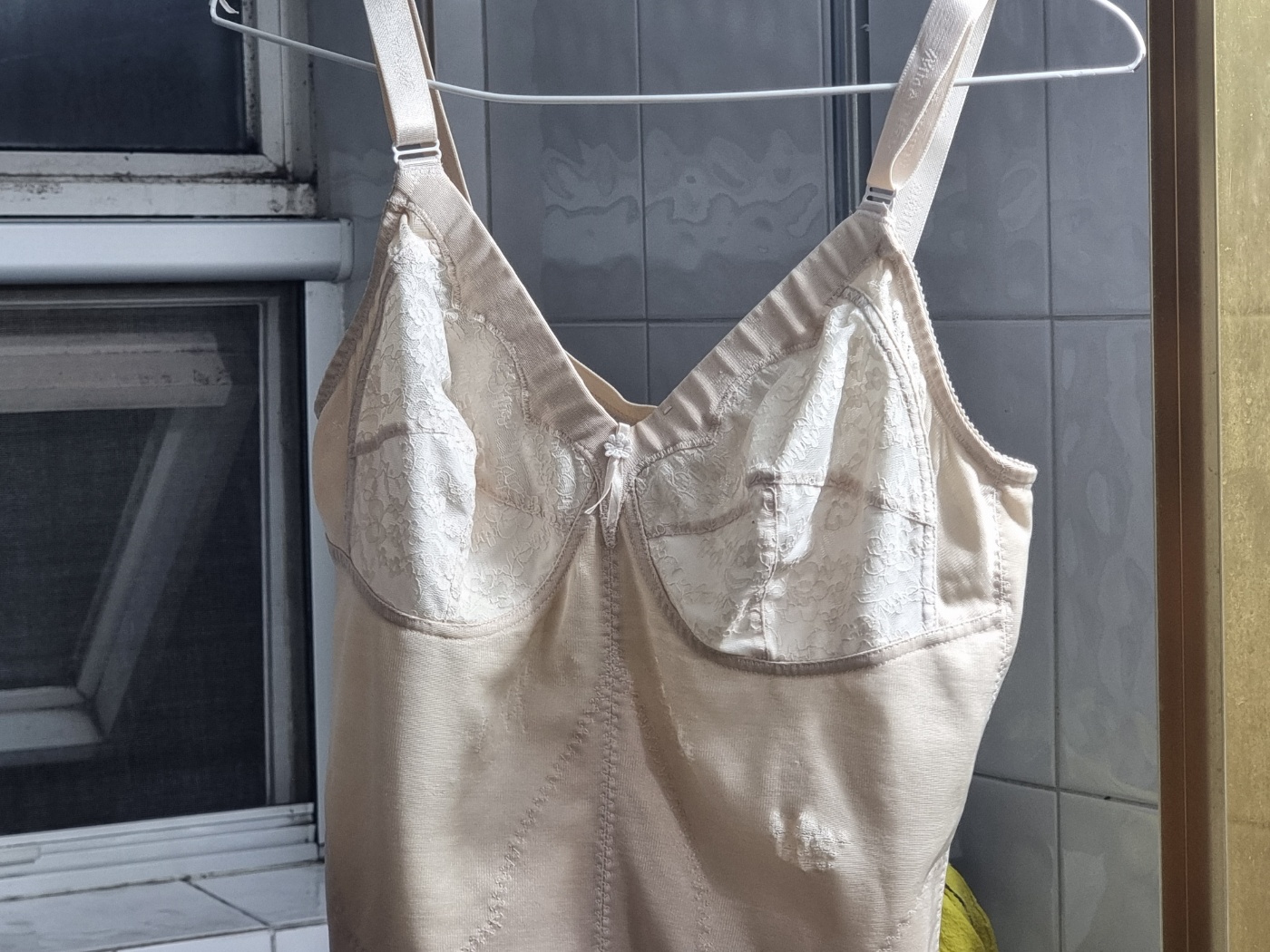
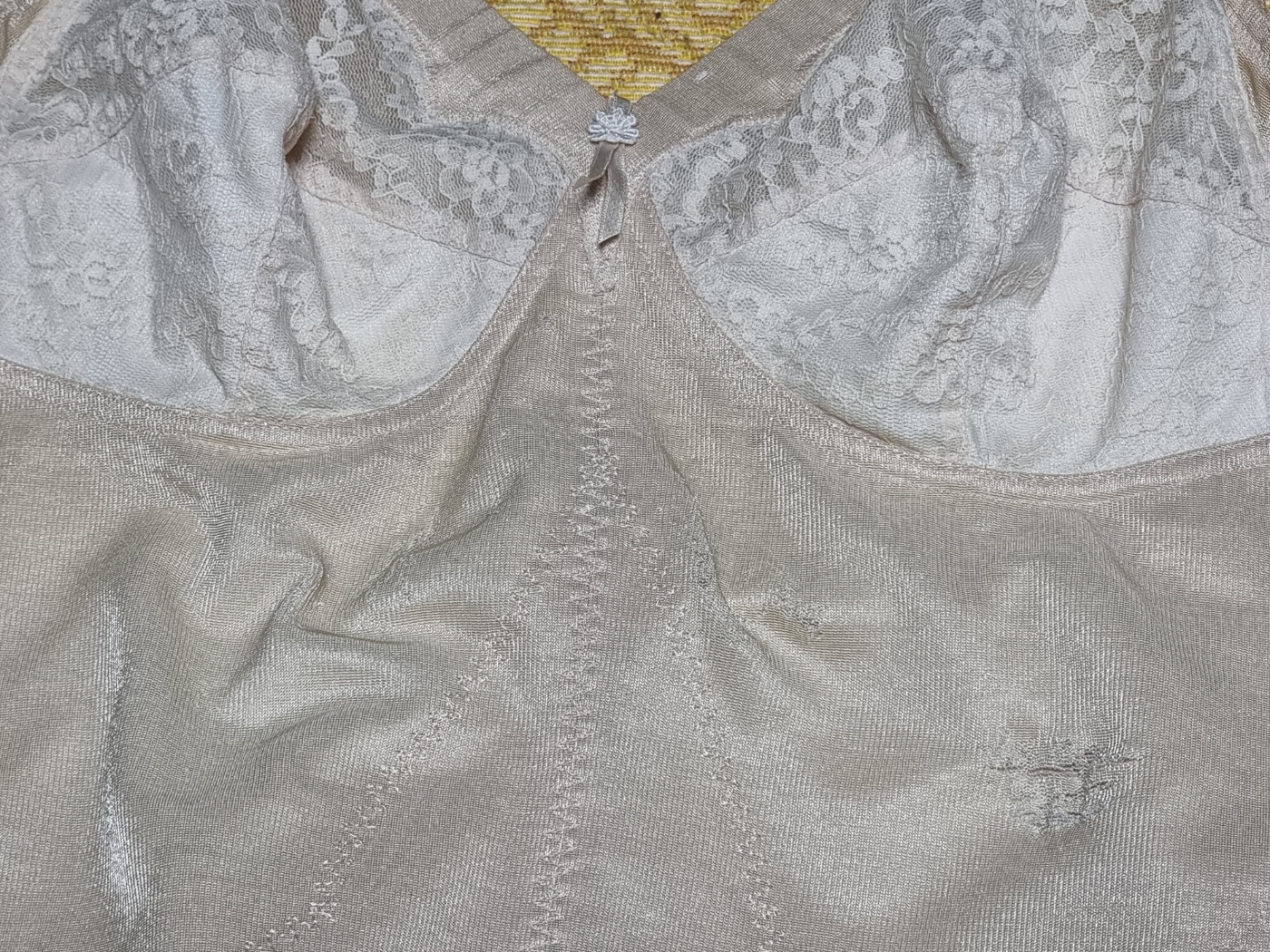
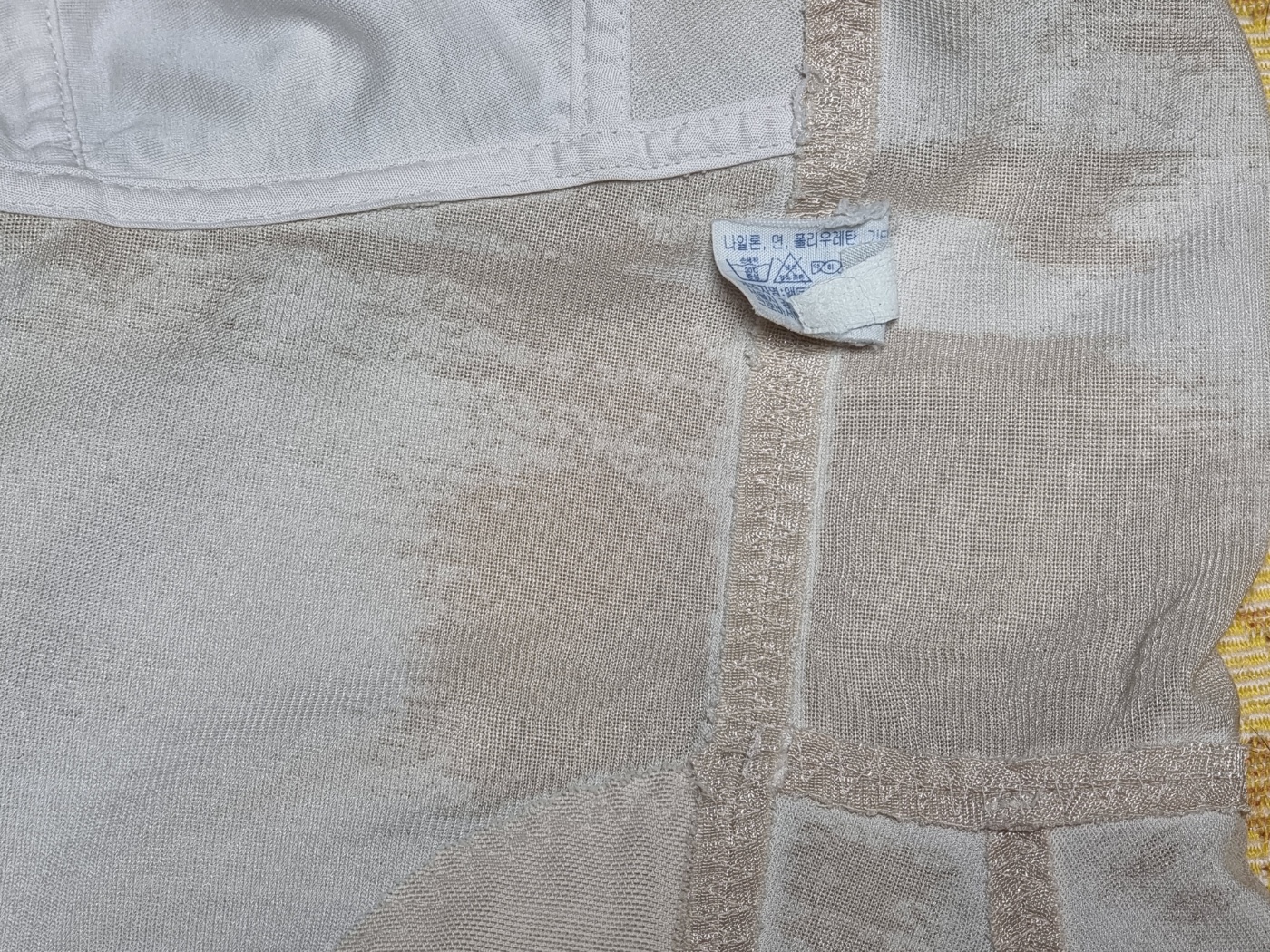
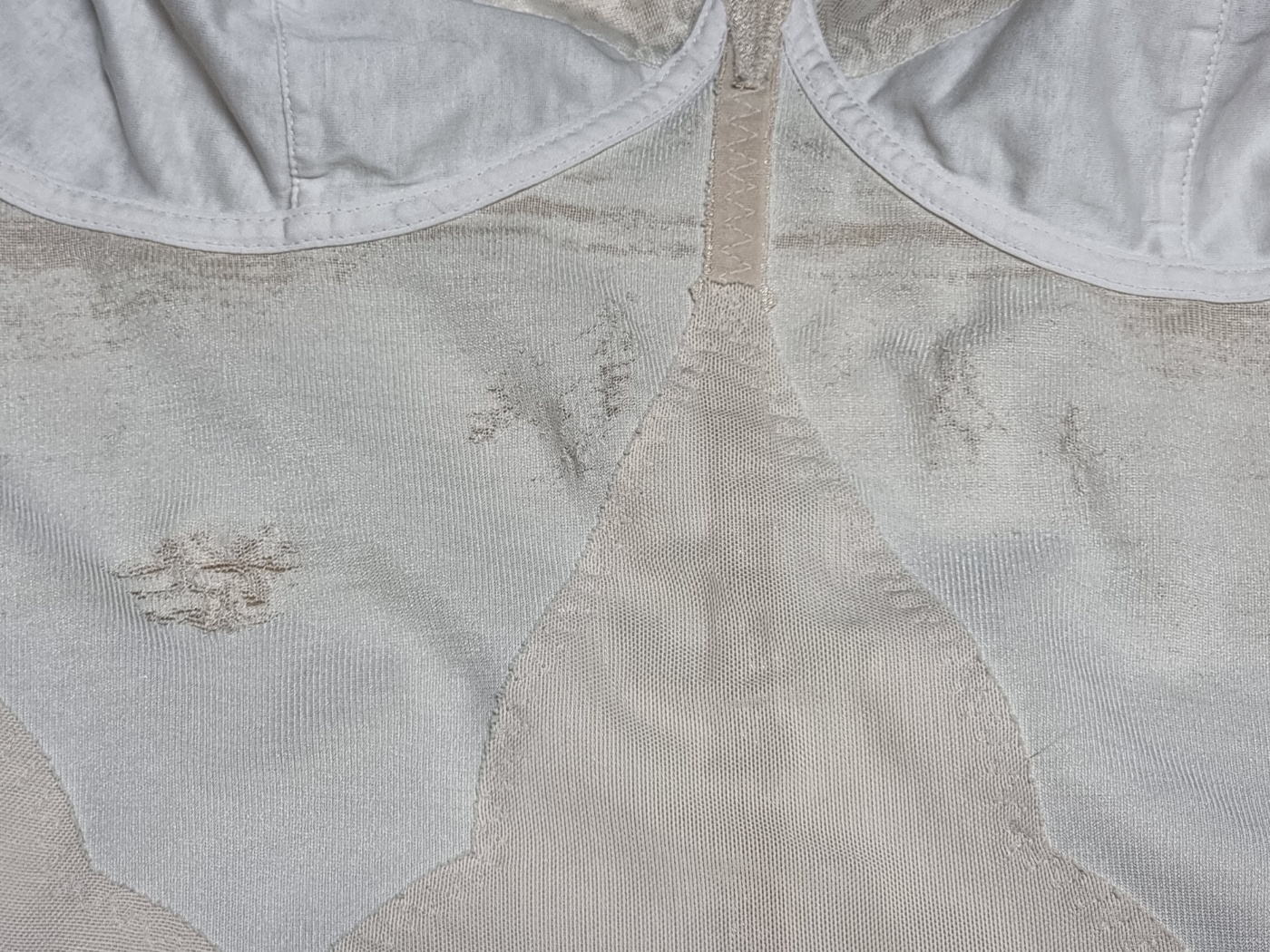
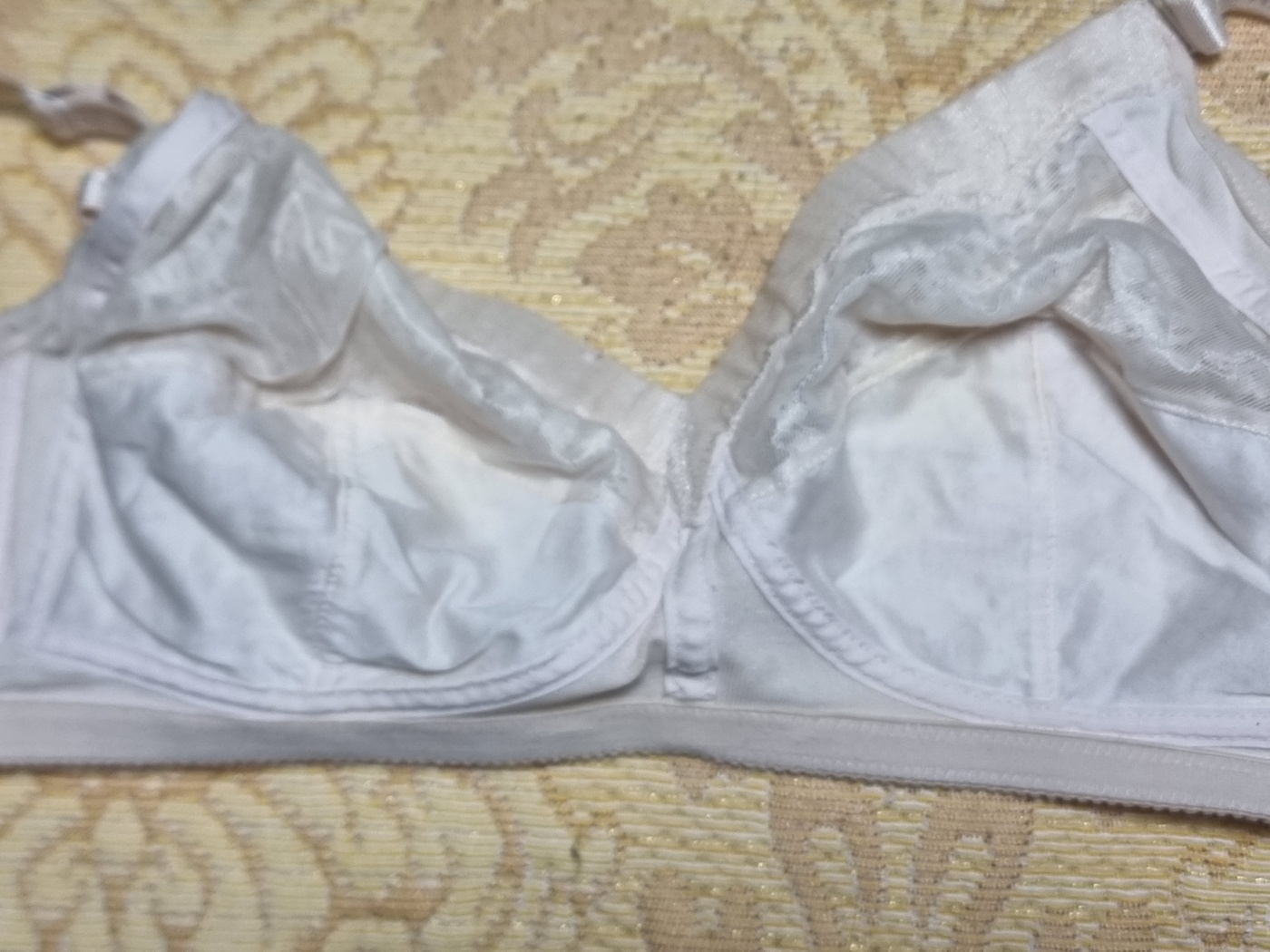
I just brought this all-in-one shapewear from my mother’s bathroom, where it was hanging to dry after being washed. As you can see, the threads are worn… this garment is over 15 years old. My mother, now in her 80s, still wears it to maintain her posture, especially when she goes out to meet friends. The original pink color has faded, the fabric is thinning, and yet… it still functions.
This isn’t a story to praise my mother’s frugality. It’s a story about the object itself.
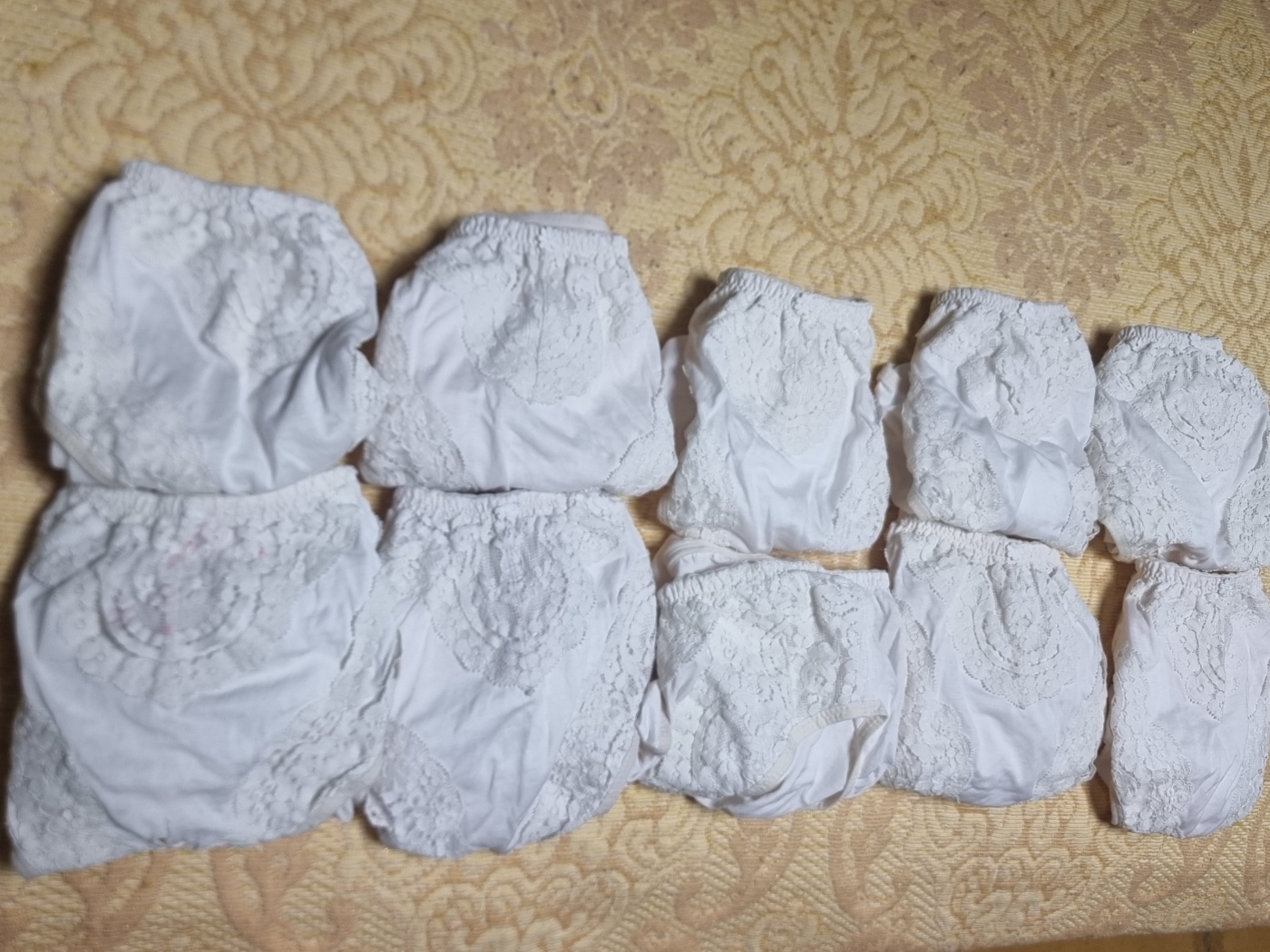
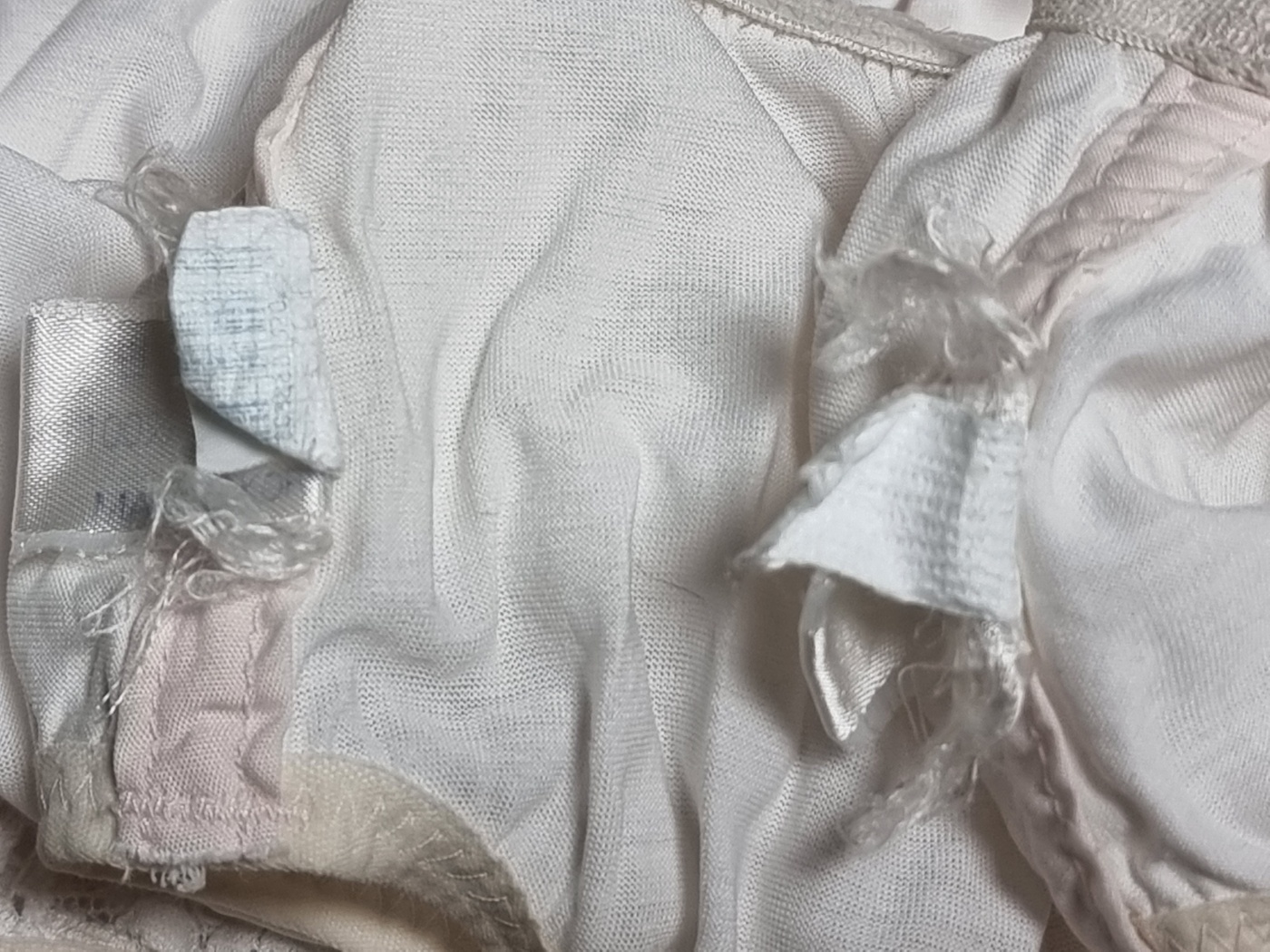
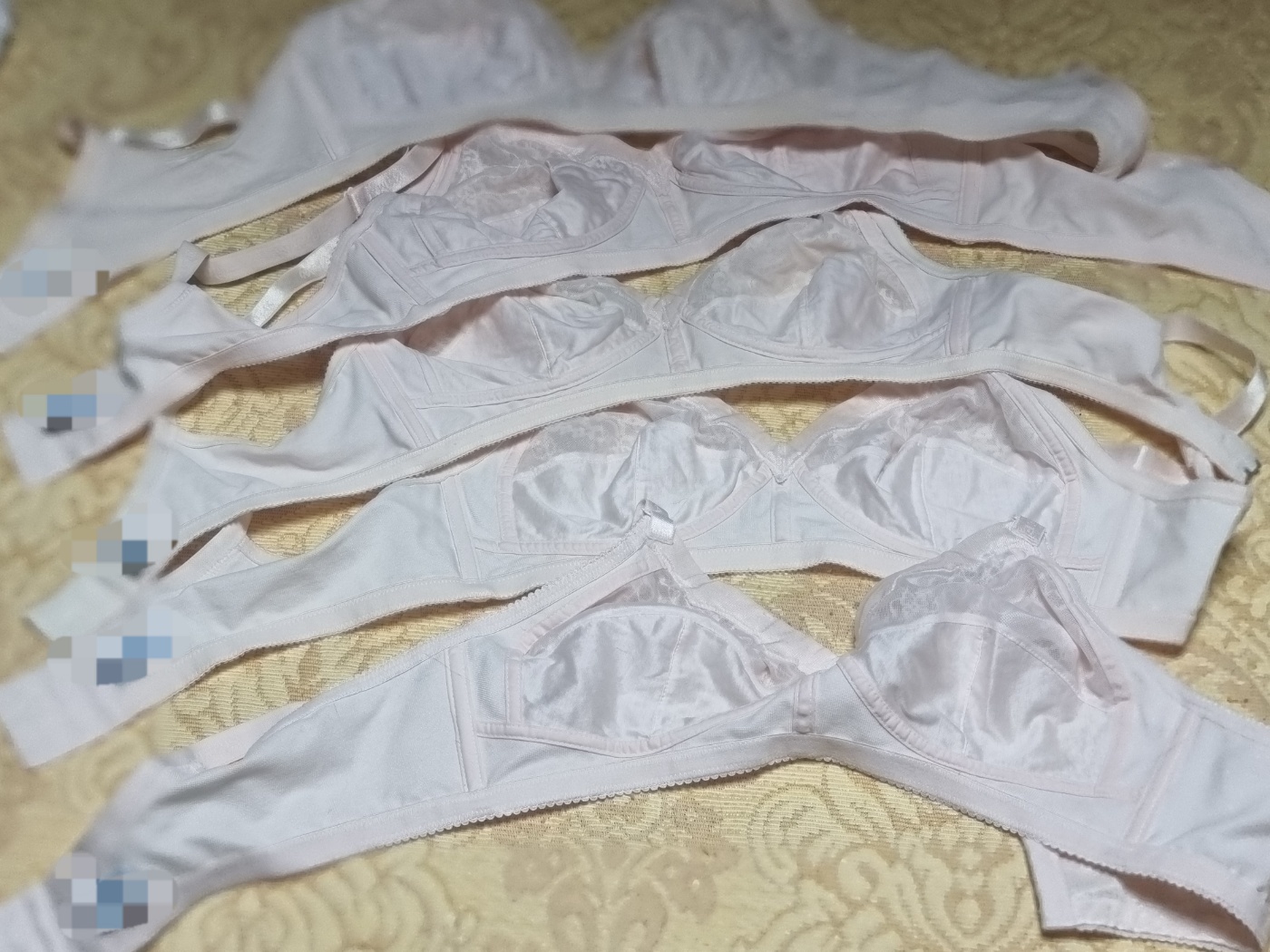
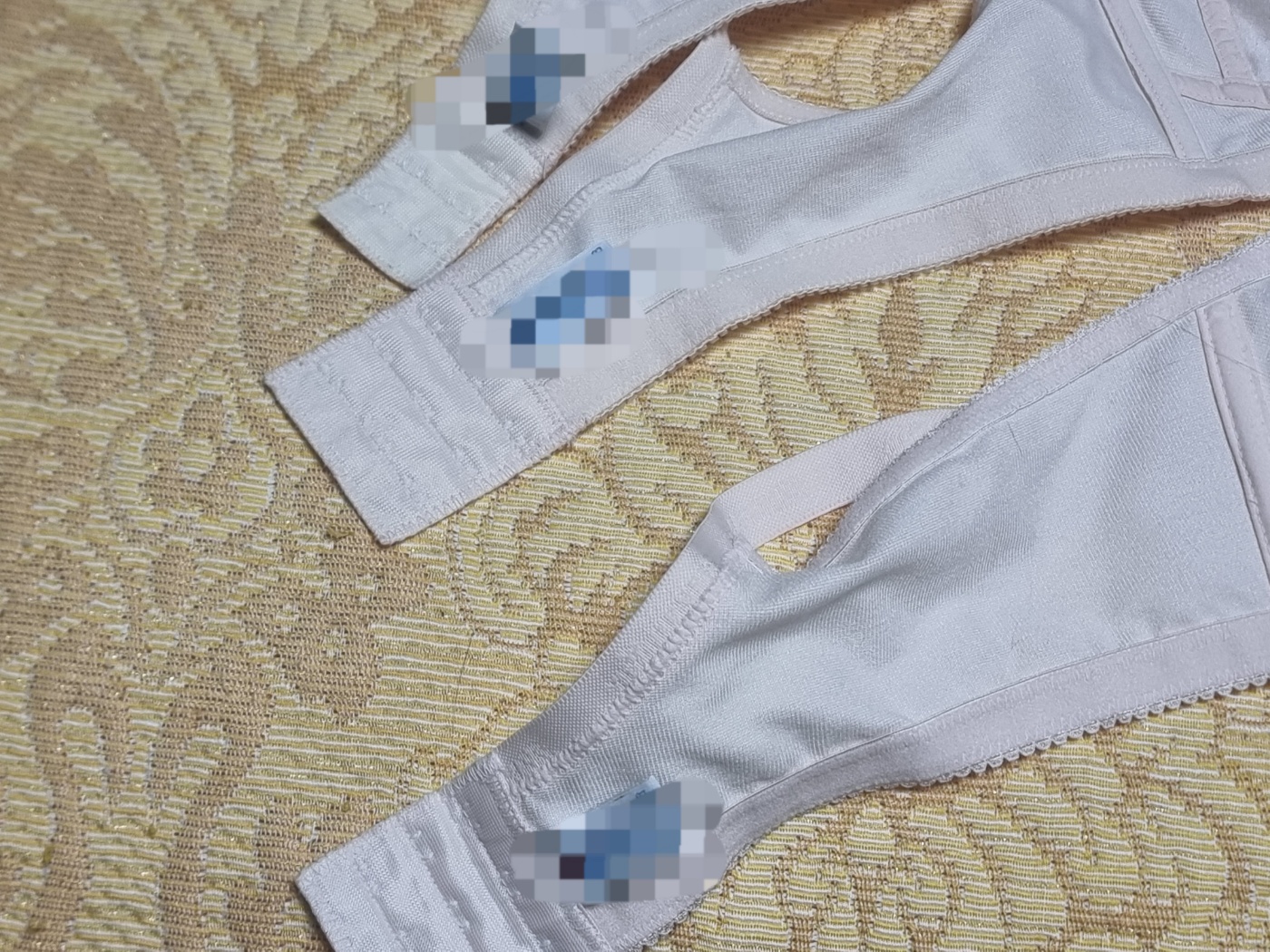
These panties are from the same brand. Most of them were purchased between 1996 and 1999, making them well over 25 years old. The most recently purchased one is at least 15 years old. They were all originally pink, but time has washed away the color, leaving them almost white. My mother’s frugality is a factor, of course, but no garment, no matter how well cared for, can endure for decades without exceptional durability. The labels inside are so worn from years of washing that they are now unreadable…


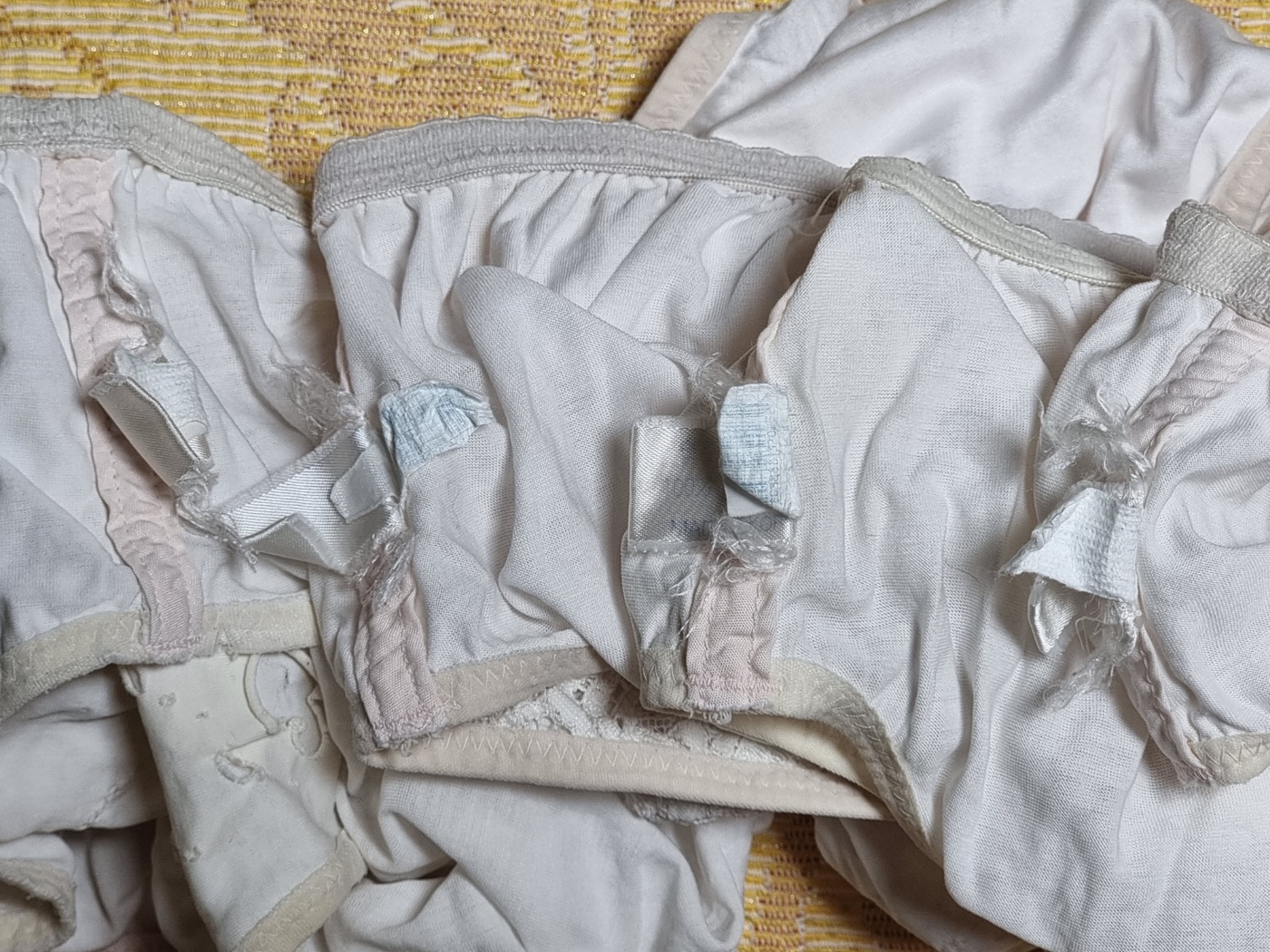
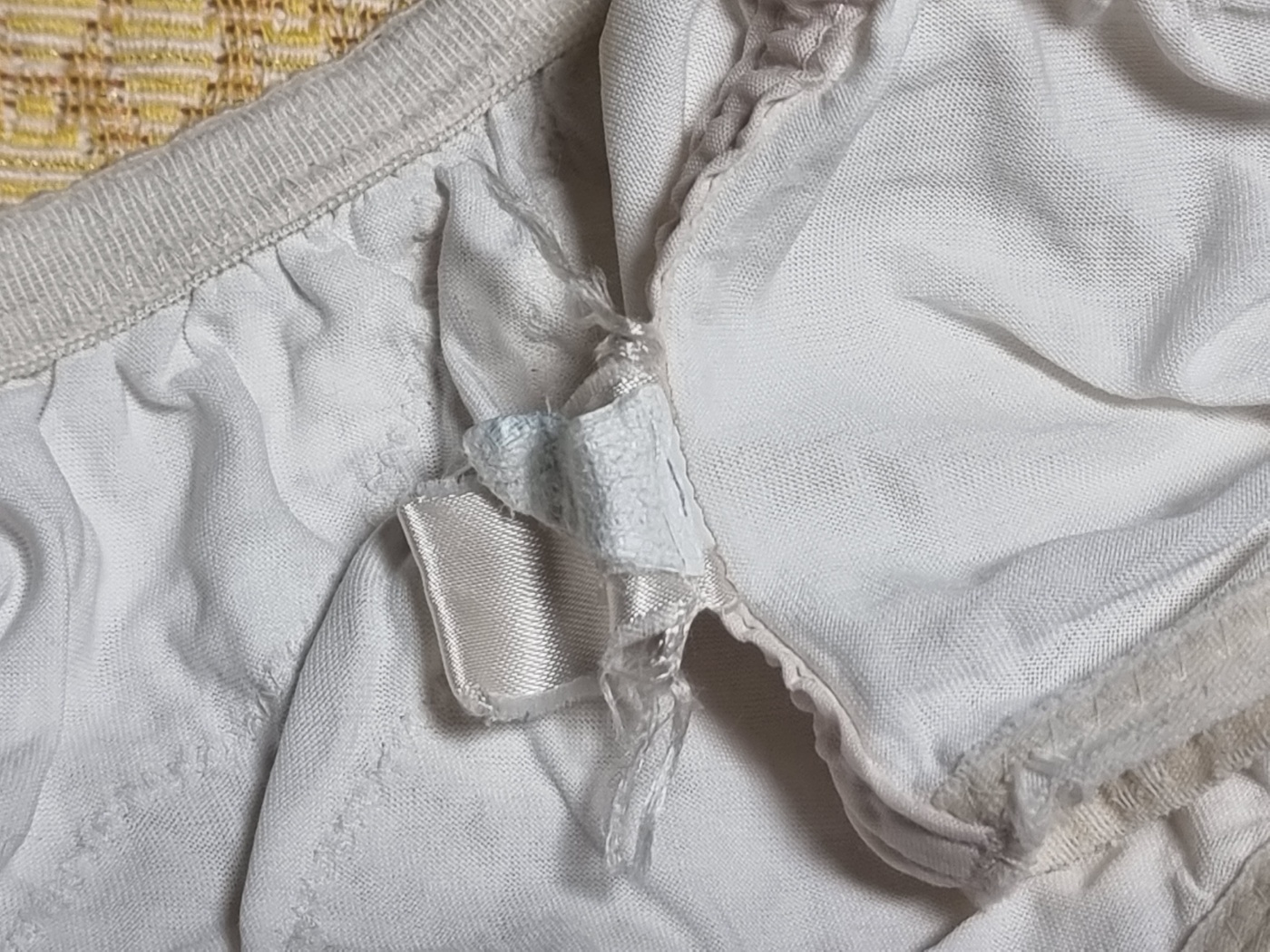
How long does your underwear last? Three years? Five? This is shapewear. It’s designed to compress and hold. For a garment under constant tension to endure for 15, or even 25 years… is something else entirely. This is the same all-in-one shapewear shown in the hero image, still being used by my mother.

Part 1: The Birth of a Paradox
This story begins in the 1990s in Korea. A “shapewear syndrome” was sweeping the nation, fueled by a desire for body management. And at the center of it was this brand. The appeal was the promise of transformation… that simply wearing this underwear could reshape your figure. Word-of-mouth spread like wildfire.
But just as quickly, so did the negative rumors.

At the time, a basic bra in Korea might cost a few dollars. This one was priced nearly 10 times higher. The narrative quickly shifted. This revolutionary product became known as the “suffocating, overpriced shapewear.”
The rumors got worse. Customers would say, “I was told I needed a full set to manage my body shape… a bra, panty, girdle, all-in-one… and two sets of everything, one to wear while the other is washing. It cost me over $1,000… but it’s so uncomfortable I just left it in my closet.”
To make matters worse, the brand’s distribution model was through network marketing. In a society where illegal pyramid schemes had caused immense damage since the late 1980s, the “MLM” label was toxic. Even though this company was legitimate, it was misunderstood. The conversation was over before it began. “It’s a scam… no wonder it’s so expensive.”
But the reality was more complex. This was one of the first shapewear brands in Korea. Both the sellers and the customers were unfamiliar with it. A customer, eager for dramatic results, might insist on a size too small. An inexperienced seller, wanting to please the customer who looked slimmer in a tighter fit, might comply. The result? An uncomfortably tight garment that would inevitably end up in the back of a closet… a monument to a misunderstanding of how to achieve comfortable shapewear.
The price comparison was also flawed. It was being judged against a simple bra. This shapewear was an intricate piece of engineering, using a blend of high-tech fabrics to provide both powerful compression and exceptional comfort—a technology that naturally cost more. With no other shapewear brands to compare it to, it was misunderstood.
The stories of satisfaction, of women who found the perfect fit and wore it for years… those stories were drowned out.
Part 2: The Revelation from an Unlikely Source
I started my journey with this company in 2004. As a young man, the idea of selling women’s shapewear was… unimaginable. I was terrified of being judged. But the company offered a program: for a small annual fee, I could use their pre-built, professional online shop. No face-to-face sales. It was a lifeline.
I started running simple, pay-per-click ads. And to my surprise… it worked. People started buying. Then they started buying again. As my confidence grew, I began taking customer calls. My fear was immense… that they would hang up, complain, or report me for being a man selling intimate apparel.
But the opposite happened.
The calls were from women in their 40s, 50s, and 60s. And they didn’t care who I was. They were just… relieved. “Do you know how long I’ve been searching for this brand?” “I can’t find this anywhere, can I really buy it from you?” “I don’t care about anything else, how quickly can I get it?”
They were on a desperate search for a product they couldn’t live without. The seller’s gender was irrelevant.
As a man, I could never wear the product myself. My only connection to its value was through the voices of my customers. The turning point for me came around 2017. A conversation that started on KakaoTalk with a Korean woman living in the US soon turned into a voice call. I’ll never forget what she told me, her voice filled with relief.
“I have tried all the famous, expensive brands here in America,” she explained. “None of them are as comfortable, none give the same gentle support, and they all shift and roll when I move. Yours is the only one that works. Do you know how long I’ve been searching for this?”
Her story became a pattern. The calls were almost never about my gender or my sales pitch. They were from women on a desperate search, thrilled to have finally found a source for a product they couldn’t live without.
It was through these voices that I, a man who could never wear the product, began to understand its true value. As high-end shapewear brands entered the Korean market in the 2000s, some charging over $1,000 for a single piece, my customers were the first to realize the truth. This brand wasn’t “10 times more expensive”—it was astonishingly affordable for its quality.
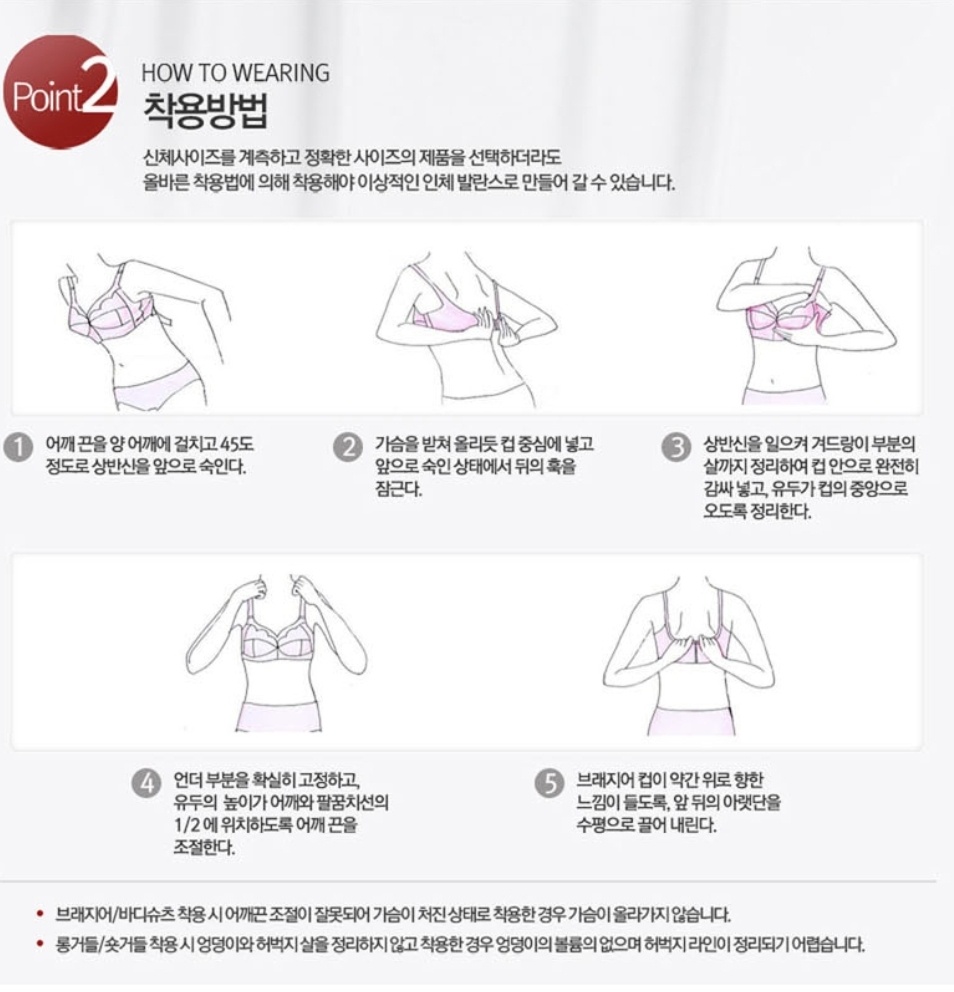
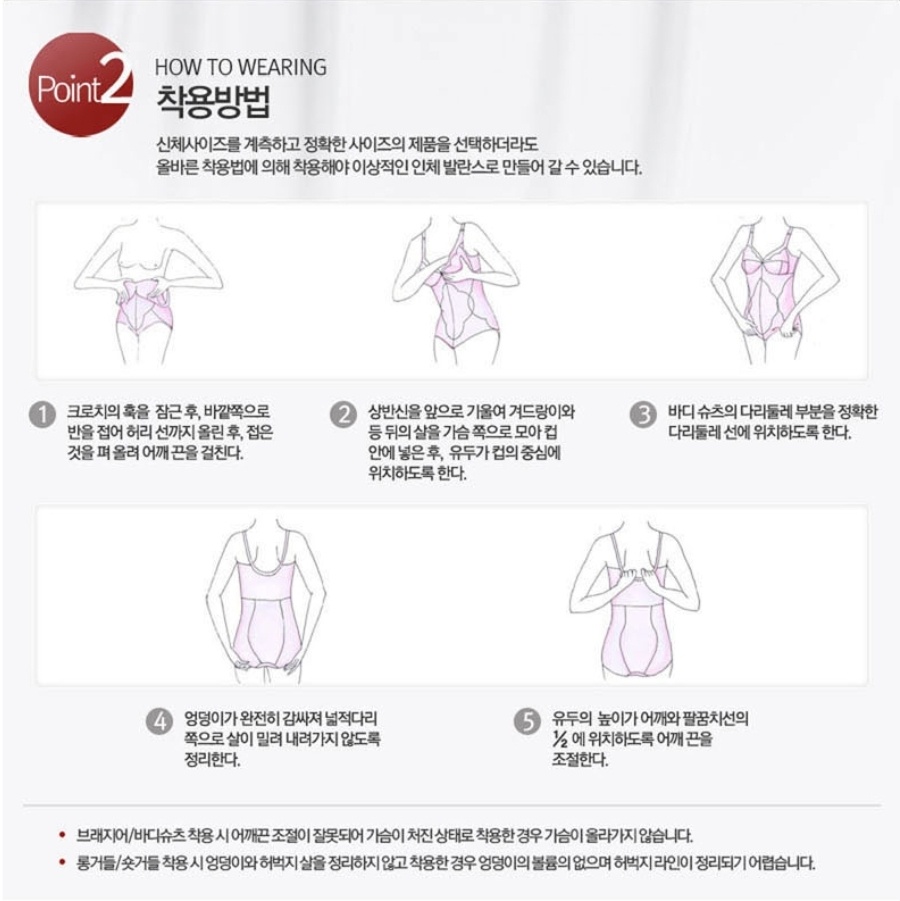
Conclusion: A Question of True Value
This is my mother’s collection. These bras, stored in her dresser, are all from the same Korean brand. The newest among them is at least 15 years old; the oldest, over 28. She still wears them in rotation. The original pink has faded to white, the lace is softened with age, but the essential structure and fabric… they remain, a testament to comfortable support that lasts.
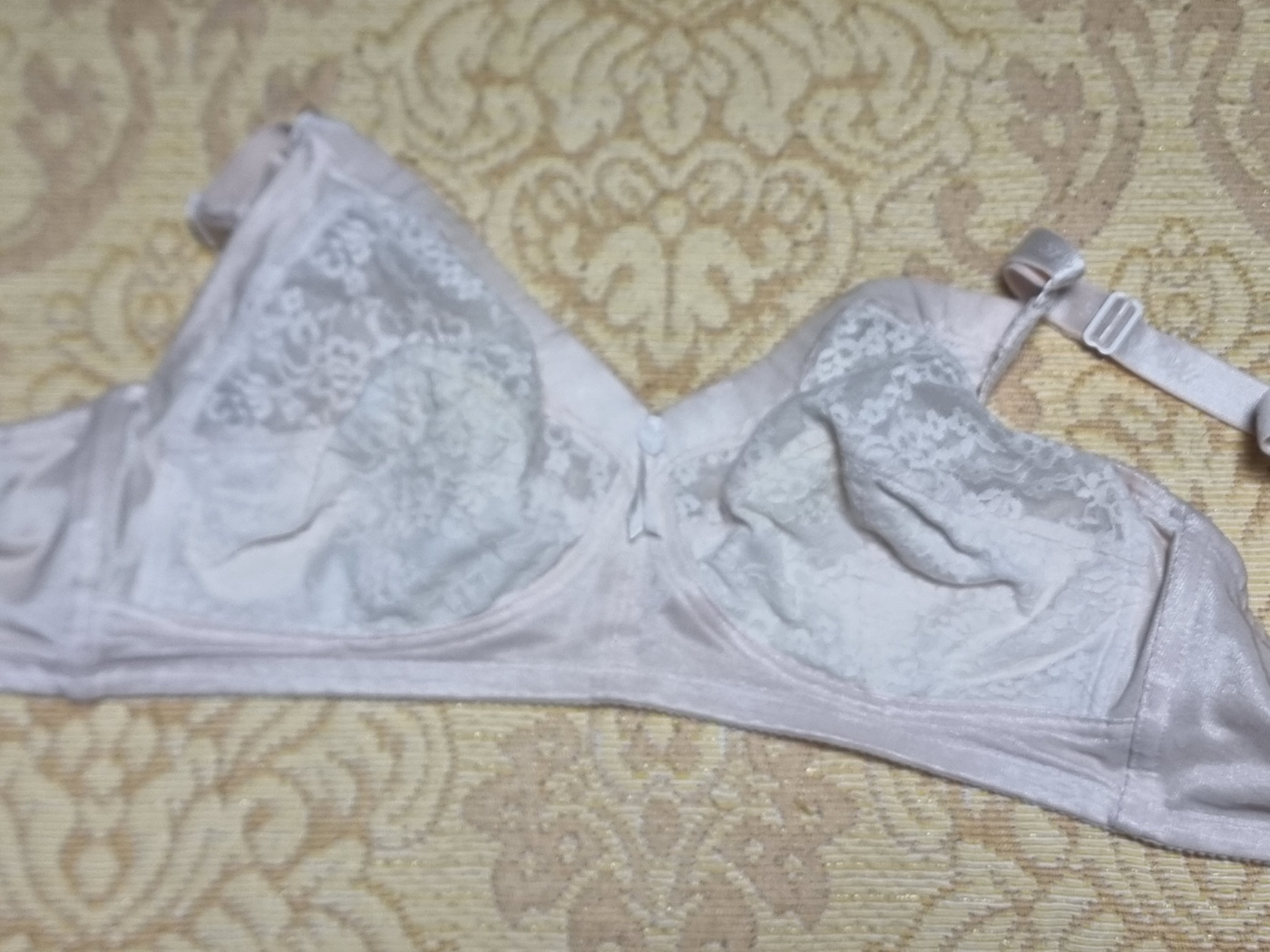
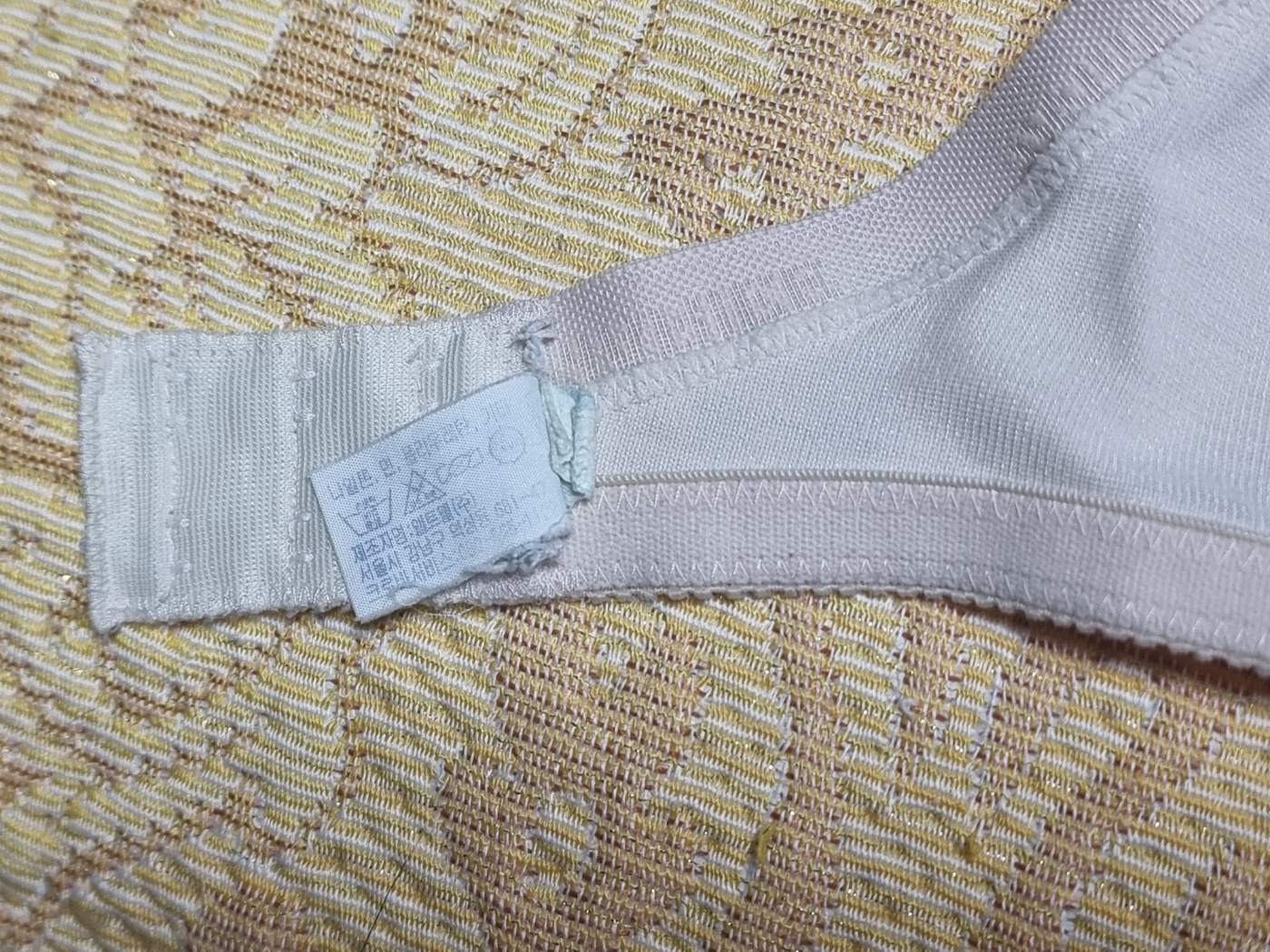
If a luxury handbag, with a production cost of less than $100, is priced at $5,000 to signal its “luxury” status… what is the value of this shapewear? If its worth is measured in decades of unwavering performance and comfort, shouldn’t its value be in the tens of thousands?
But then, who could afford it?
This, I believe, is the reason this brand is not famous. It refuses to play the game of perceived value. Its worth isn’t in a logo or a price tag. It’s in the trust of a woman who has relied on it for 30 years.
I’ve only shared one of many stories. This brand is a part of Korea’s hidden history of craftsmanship, a time machine that returns confidence. In the stories to come, I will share more.
For now, I invite you to ponder the question. What is true value? And what hidden gems are we overlooking, simply because they don’t carry the “right” price tag?
If you wish to be notified of the next story, please consider subscribing to our newsletter below.
#comfortable_shapewear #korean_fashion_secret #body_confidence #luxury_brand_perception #made_in_korea_quality #true_value